
Damp and condensation at home: fix it before the Portuguese winter
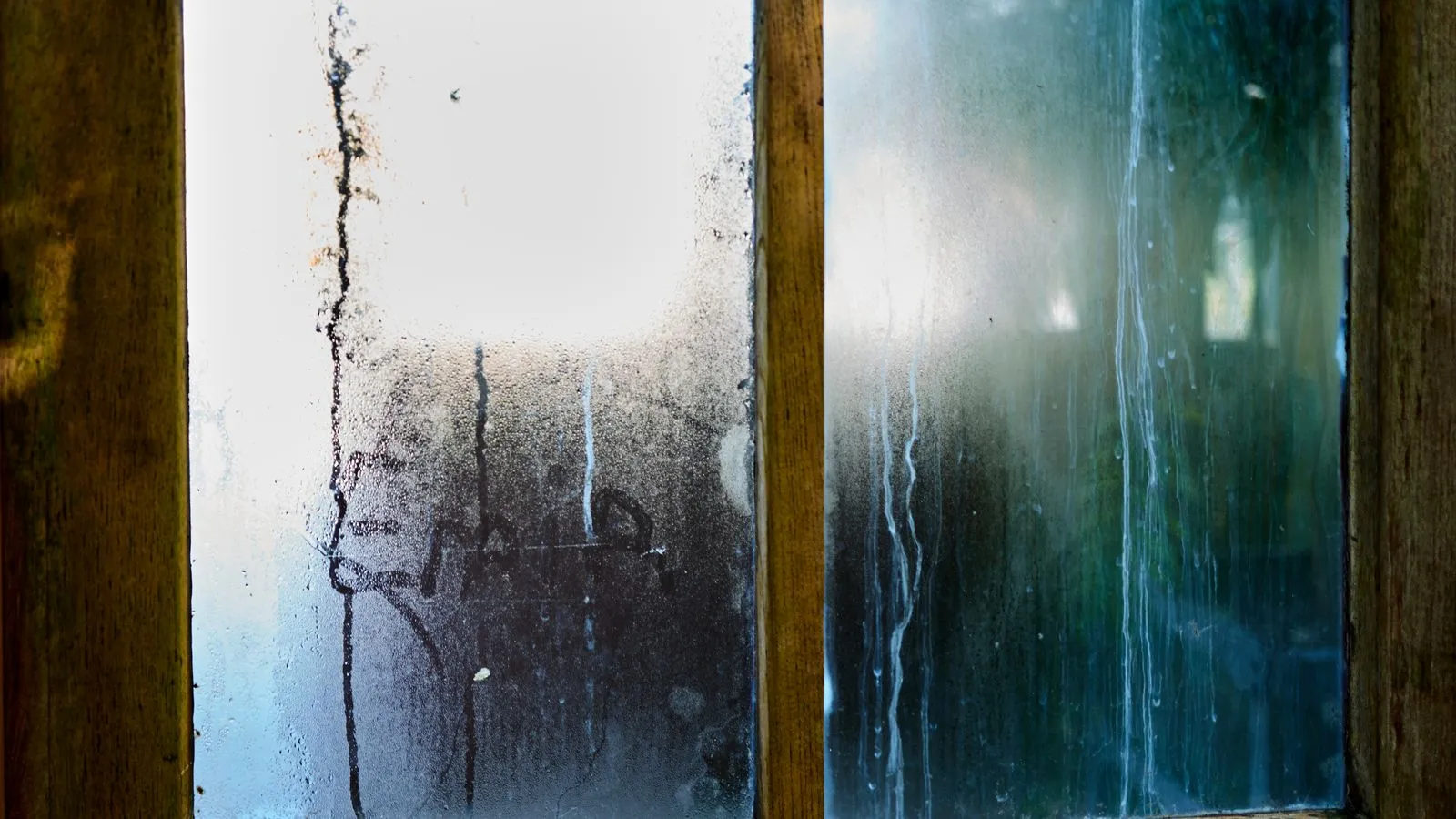
Every autumn it's the same: windows wake up dripping, bedroom corners grow dark stains and clothes in the wardrobe smell damp. Home humidity is the number one problem of the Portuguese winter - and most 'solutions' attack the symptom, not the cause.
First: which kind of damp are we talking about?
There are three different origins, with three different solutions. Condensation: warm, humid indoor air touches cold surfaces (glass, north-facing walls) and turns to water. Infiltration: water comes in from outside - roof, terrace, window frames or façade cracks. Rising damp: moisture climbs from the ground up ground-floor walls. Treating one as if it were another is why so many 'anti-damp' paints fail within months.
Condensation: the most common case
Cooking, showering and even sleeping release litres of water vapour a day. In a closed home with cold windows, that vapour condenses - and mould appears first in corners and behind furniture against exterior walls. The fix combines three fronts: ventilate (10 minutes of cross-ventilation daily, extractors actually used), heat regularly (cold walls condense more) and cut the thermal bridges.
Windows: where winter gets in
Single glazing and old aluminium frames without a thermal break are freezing surfaces where vapour condenses nightly. Double glazing with thermal frames eliminates most window condensation - cutting noise and heating bills at the same time. If good windows still stream, the problem is usually ventilation, not the window.
Infiltration: fix it outside, not inside
If the stain grows when it rains, the origin is external: worn terrace waterproofing, broken tiles, frame junctions or façade cracks. Painting over it indoors is money wasted - water keeps coming in and the paint blisters again. The right repair is locating the entry point and waterproofing on the water's side.
What about a dehumidifier?
It helps - as management, not cure. In a room with chronic condensation, a dehumidifier lowers relative humidity and holds back mould while the cause is being fixed. If you need it running all winter for the house to be livable, that's a sign of an insulation, ventilation or infiltration problem waiting to be treated.
Mould on the wall: clean properly, treat the cause
Clean with a proper anti-fungal product (not just hastily diluted bleach), let it dry and paint with quality anti-mould paint - but only after the cause is solved. Mould that returns weeks after painting is proof the origin is still active.
Honest diagnosis, fixed price
We diagnose the origin (condensation, infiltration or rising damp), measure the humidity and propose the right fix - from ventilation and window sealing to terrace and façade waterproofing. Free survey visit, fixed quote before work starts. Talk to us on WhatsApp.
Request this service
Renovations & Finishing